
How to Arrange Centerpiece Candle Holders for Dinner Parties
Lighting dictates the success of any evening gathering. While overhead fixtures provide necessary visibility during the preparation phase of a meal, they are generally too harsh for the dining experience itself. Transitioning to a lower, warmer light source signals to guests that the formal part of the evening has begun and encourages them to relax. This is where strategic table illumination becomes essential.
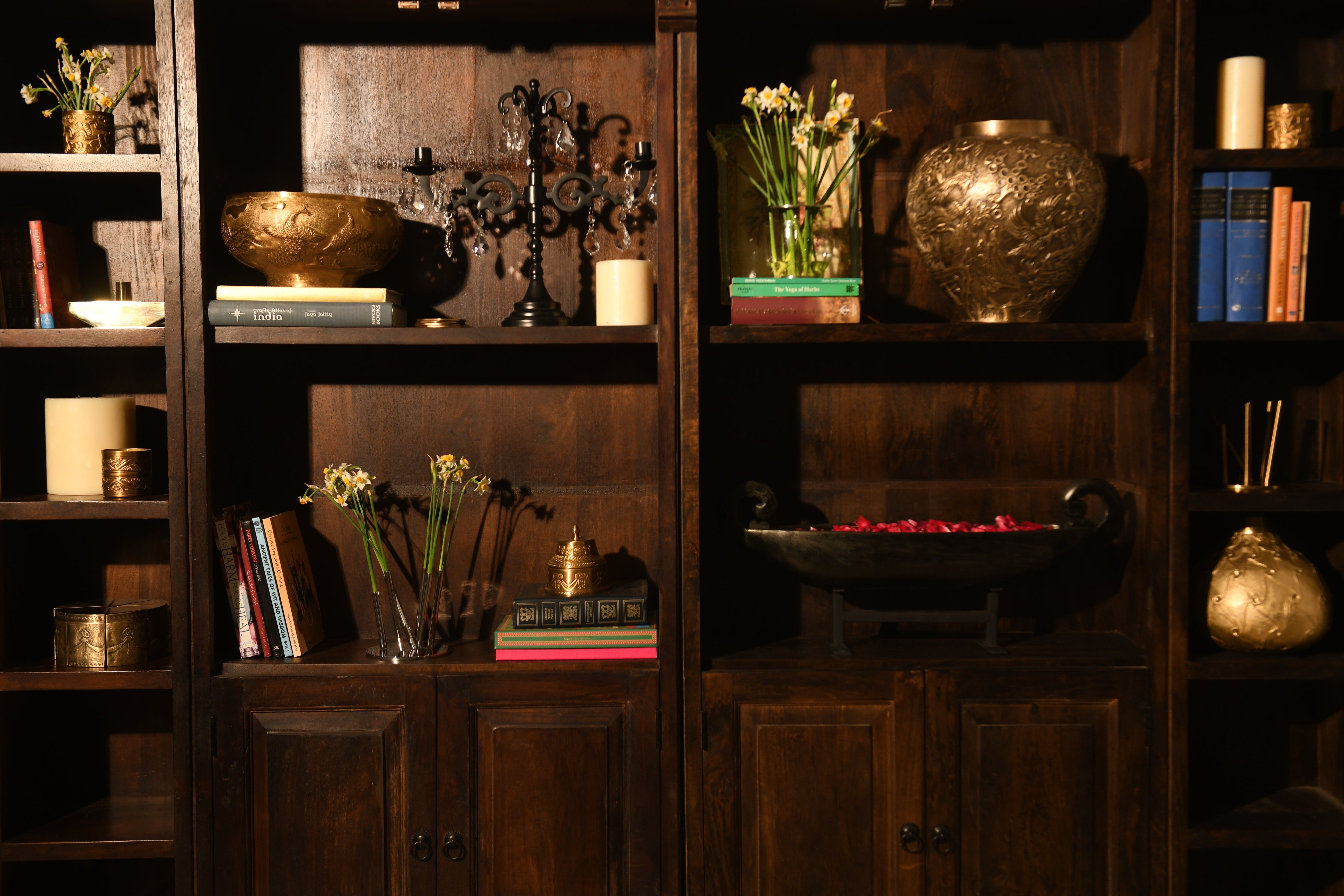
The primary function of candlelight is to cast a soft, flattering glow on the faces of the guests and to highlight the food presented on the table. To achieve this, the light must be positioned at the correct elevation and distributed evenly across the dining surface. Relying on a single light source in the middle of a large table leaves the outer edges in shadow. A well-designed arrangement uses multiple points of light to create a cohesive canopy of illumination. Selecting the right centerpiece candle holders establishes the architectural foundation for this lighting strategy, providing both safety for the open flame and visual interest for the table setting.
Evaluating Table Shapes and Dimensions
The physical dimensions and shape of your dining table dictate how any arrangement should be structured. A layout that looks spectacular on a long rectangular table will feel cluttered and obstructive on a smaller round one.
For rectangular tables, the most effective approach is a linear progression. Instead of grouping all lighting in the absolute center, distribute the pieces down the midline of the table. Leaving approximately twelve to eighteen inches of space between each grouping allows room for serving dishes and prevents the table from feeling crowded. A staggered, zig-zag formation often looks more organic than a perfectly straight line.
Round and square tables require a different strategy. Because all guests are equidistant from the center, the arrangement must look balanced from every angle. A tight, centralized cluster works best in these scenarios. Placing a dominant, taller piece in the exact center and surrounding it with slightly shorter pieces creates a pyramid effect that draws the eye inward without blocking anyone's view across the diameter of the table.
The Rule of Uneven Numbers in Design
Symmetry is often associated with formal, traditional design, but perfect symmetry on a dining table can feel static and uninviting. The human eye is naturally drawn to asymmetry, which creates a sense of movement and visual interest. This principle is widely known in design as the rule of odd numbers.
When assembling a collection of items, groups of three, five, or seven are generally more appealing than pairs or groups of four. A set of three items forces the eye to travel between the points, creating a dynamic visual triangle. If you are placing items down the length of a long table, using five distinct focal points will look significantly more balanced than spacing out four. This rule applies not just to the lighting but to all centerpiece table decor, including floral arrangements and decorative objects.
Managing Line of Sight and Conversation Flow
The most common mistake hosts make when setting a formal table is creating a beautiful arrangement that completely isolates their guests. A dinner party is fundamentally about conversation. If guests have to physically lean around a massive candelabra or a dense floral bouquet to speak to the person sitting across from them, the arrangement has failed its primary purpose.
To maintain an open line of sight, you must adhere to strict height zones. The average eye level of an adult sitting in a standard dining chair is roughly fourteen to sixteen inches above the surface of the table. Therefore, any solid, opaque objects must stay below ten inches or rise above twenty inches.
Low votives and small pillars keep the visual weight near the table surface. If you want to use tall tapers, ensure the holders elevate the actual flame and the bulk of the candle above the eye-line barrier. The thin width of a standard taper candle is narrow enough that it will not obstruct conversation, even if it sits directly in the line of sight.
Integrating Florals and Botanical Elements
Candlelight is rarely used in isolation. It is typically paired with botanical elements to bring color and organic texture to the table. The interaction between the living elements and the metal or glass of the lighting fixtures requires careful balancing.
When mixing these elements, it is crucial to keep the flames safely away from delicate leaves and petals. A safe distance of at least six inches should be maintained between any open flame and a botanical arrangement. You can achieve a highly sophisticated look by alternating low floral vessels with tall lighting fixtures. Utilizing heavy, modern metal vases for the floral arrangements grounds the table and provides a beautiful textural contrast to the soft, flickering light. Keep the floral arrangements low and dense, allowing the taller tapers to provide the vertical height.
Selecting the Proper Candle Quality
The physical candles you choose are just as important as the vessels that hold them. For dining, there is one absolute rule. You must only use unscented candles. Taste and smell are inextricably linked. Introducing a strong floral or synthetic fragrance into the dining room will actively interfere with your guests' ability to taste and enjoy the food and wine you have prepared.
Furthermore, you must select high-quality wax. Cheap paraffin candles tend to burn quickly, smoke heavily, and drip aggressively. Look for candles made from high-density stearin or pure beeswax. These materials burn significantly longer, produce a brighter flame, and are much less likely to drip wax onto your table linens. If you are using tapers, ensure they are specifically labeled as dripless.
Layering the Setting with Functional Pieces
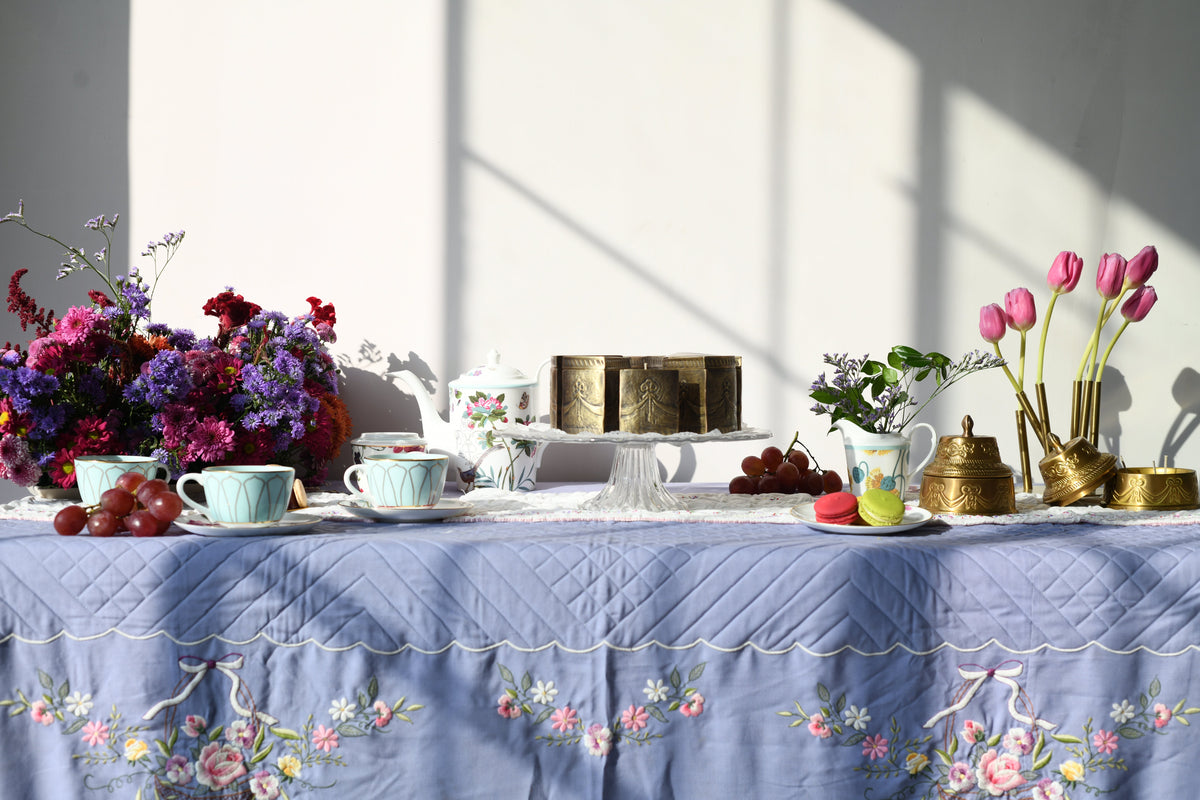
A dining table is a functional workspace as well as a visual display. The lighting and floral arrangements are the focal points, but the surrounding practical items complete the aesthetic. The texture of the tablecloth or runner, the gleam of the silverware, and the clarity of the glassware all catch and reflect the candlelight.
Pay attention to the smaller details to elevate the entire setting. Neatly folded linen napkins secured with solid brass napkin rings add a touch of metallic warmth that coordinates beautifully with metal lighting fixtures. Ensure that wine glasses are polished to remove water spots, as the low light will highlight any smudges. Everything on the table should serve a purpose and contribute to the overall ambiance of the meal.
Preventing Wax Damage on Linens and Wood
Practical considerations are vital for a stress-free evening. Dripping wax can ruin expensive tablecloths and permanently damage the finish on a wooden dining table. Even candles labeled as dripless can fail if they are exposed to a draft.
Before the party begins, check the dining room for air currents. A nearby air conditioning vent, an open window, or even a fast-moving ceiling fan can cause a candle flame to flicker wildly, which inevitably leads to uneven melting and dripping. To further protect your surfaces, consider using small glass or metal bobeches. These are small collars that sit at the base of the candle to catch any stray drips before they reach the table. Another practical tip is to place your candles in the refrigerator for a few hours before lighting them. Cold wax burns slower and is less prone to dripping.
Frequently Asked Questions
How many candles do I need for a table of eight? For a standard rectangular table seating eight, an arrangement of five to seven candles distributed down the center provides excellent illumination. For a round table of eight, a central cluster of three to five is usually sufficient.
Can I mix different metals on the same dining table? Mixing metals is entirely acceptable and can add depth to the design. However, it is best to stick to two dominant metals, such as brass and silver, and ensure they are distributed evenly so the mixture looks intentional rather than accidental.
Are battery-operated candles appropriate for a formal dinner party? While real flames are always preferred for their warmth and authentic flicker, high-quality LED tapers coated in real wax have improved significantly. They are a perfectly acceptable alternative if children are present or if your venue prohibits open flames.
How early should I light the candles before guests sit down? Light the candles approximately ten to fifteen minutes before you invite guests to the table. This gives the flames time to stabilize and ensures the room is beautifully illuminated the moment they walk in.
What is the best way to remove melted wax from a wooden table? Do not scrape the wax with a sharp tool. Instead, hold a hairdryer a few inches away to soften the wax, then gently wipe it away with a soft cloth. Follow up with a dedicated wood polish.
How tall should taper candles be for a dining table? Standard tapers are typically ten to twelve inches tall. When placed in a holder, this elevates the flame to around fifteen to eighteen inches above the table, which perfectly clears the line of sight for most seated adults.
Should I use a table runner beneath the arrangement? A table runner provides an excellent visual anchor for a linear arrangement on a rectangular table. It connects the disparate elements and protects the bare wood underneath.
What is the safest way to extinguish candles at the end of the night? Blowing out candles can send hot wax flying onto the table. The safest and cleanest method is to use a metal candle snuffer, which deprives the flame of oxygen without creating a mess or excess smoke.
Can I use pillar candles instead of tapers for a formal dinner? Yes. Pillar candles offer a very solid, grounded look. Because they are thick and opaque, you must ensure they remain well below the line of sight, typically under eight inches tall including the base they sit on.
How do I stop taper candles from leaning in their holders? If a candle is too loose, you can wrap a small amount of aluminum foil or specialized sticky candle wax around the base before pressing it firmly into the holder.

Written by Bhavini Khullar