

From Sketch to Sample: The Custom Brass Product Development Process
By Bhavini Khullar | Founder, Byaas | Adjunct Professor, Montclair State University
Short answer: Custom product development at Byaas runs through eight stages: brief, feasibility, drawings, pattern and first sample, finish development, revisions, production and packing. A first sample takes about 4 to 6 weeks and production about 6 to 8 weeks.
In product development there is a simple rule about money: a change on paper costs an eraser, a change at sample stage costs a few days, and a change after production starts costs everything. Almost every painful story I hear from brands who have worked with other manufacturers comes down to a decision made at the wrong stage.
This post walks through the stages we follow at Byaas, so you know what to expect, what to decide when, and how to protect the thing that matters most: the character your product is meant to have.
Why process protects the details
What makes someone love a metal object lives in tiny details: the exact curve of a stem, the warmth of a burnished finish, the satisfying weight when they lift it. Designers interviewed by Good Housekeeping describe 2026 as a year of elevated craftsmanship, where artistry turns a simple silhouette into something unexpected (Good Housekeeping). Those details are also the first things to get lost between a sketchbook and a production run of five hundred. A disciplined development process is how they survive.
Stage one: the brief
Tell us what the product is, who it is for, where it will live and what you want to spend. Include reference images, existing drawings and brand guidelines. Our guide to briefing a brass manufacturer lists what to include.
Stage two: feasibility and material
We review the brief and tell you honestly what is possible. Some forms are best raised from sheet. Others need spinning, casting or freehand hammering. We also recommend a metal: brass for warmth and workability, stainless steel for hardness and corrosion resistance, iron for strength and matte powder-coated finishes. See choosing between the three.
Stage three: drawings and specification
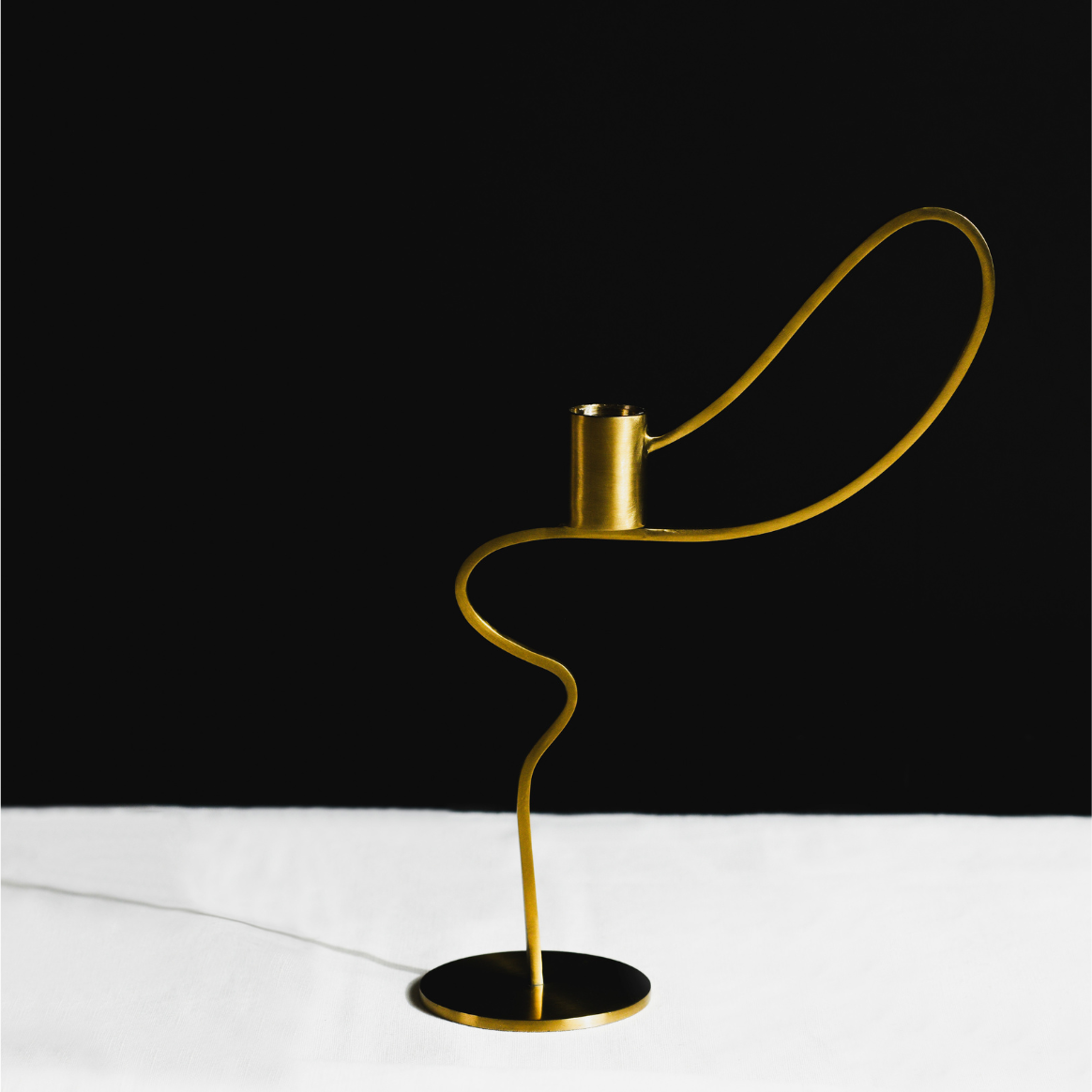
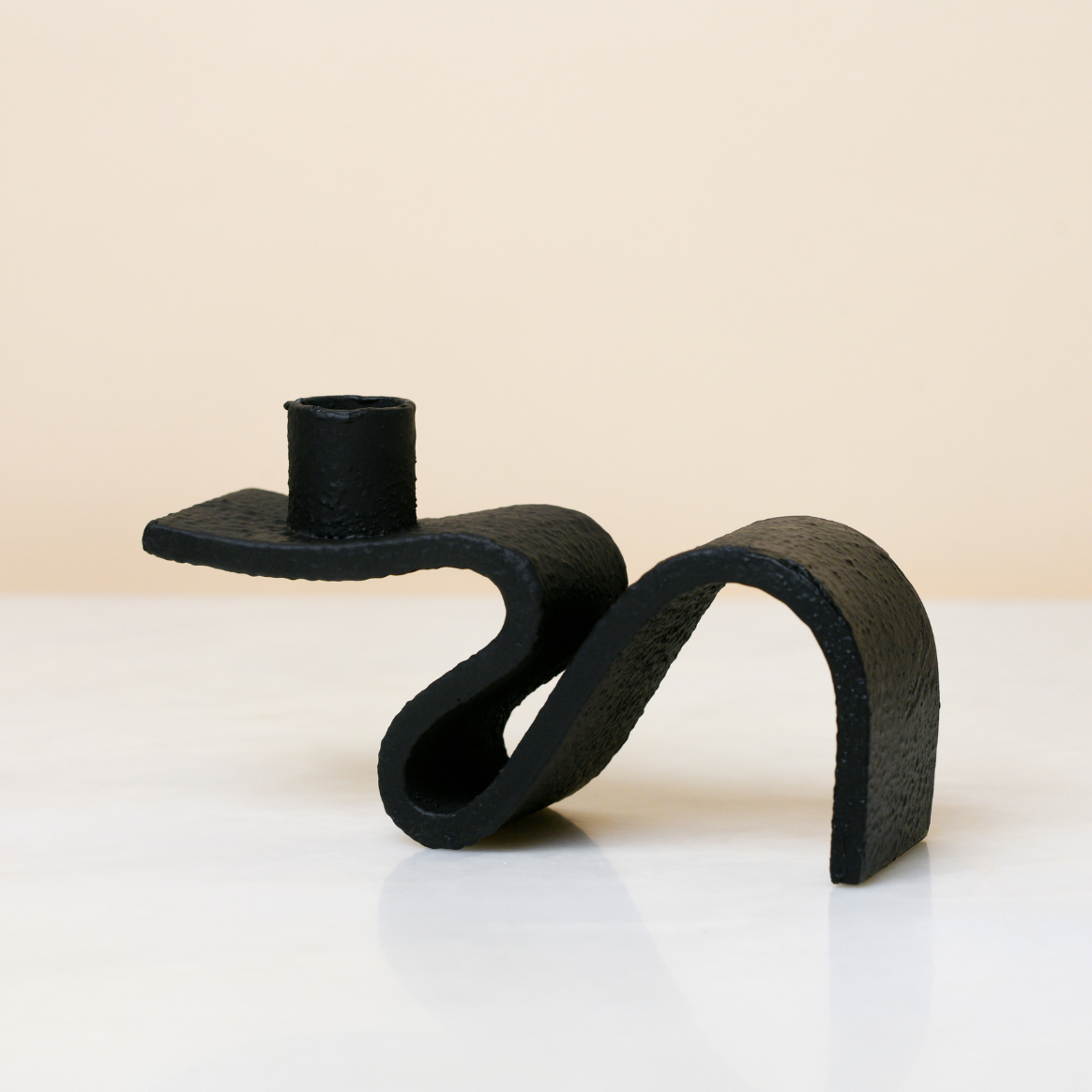
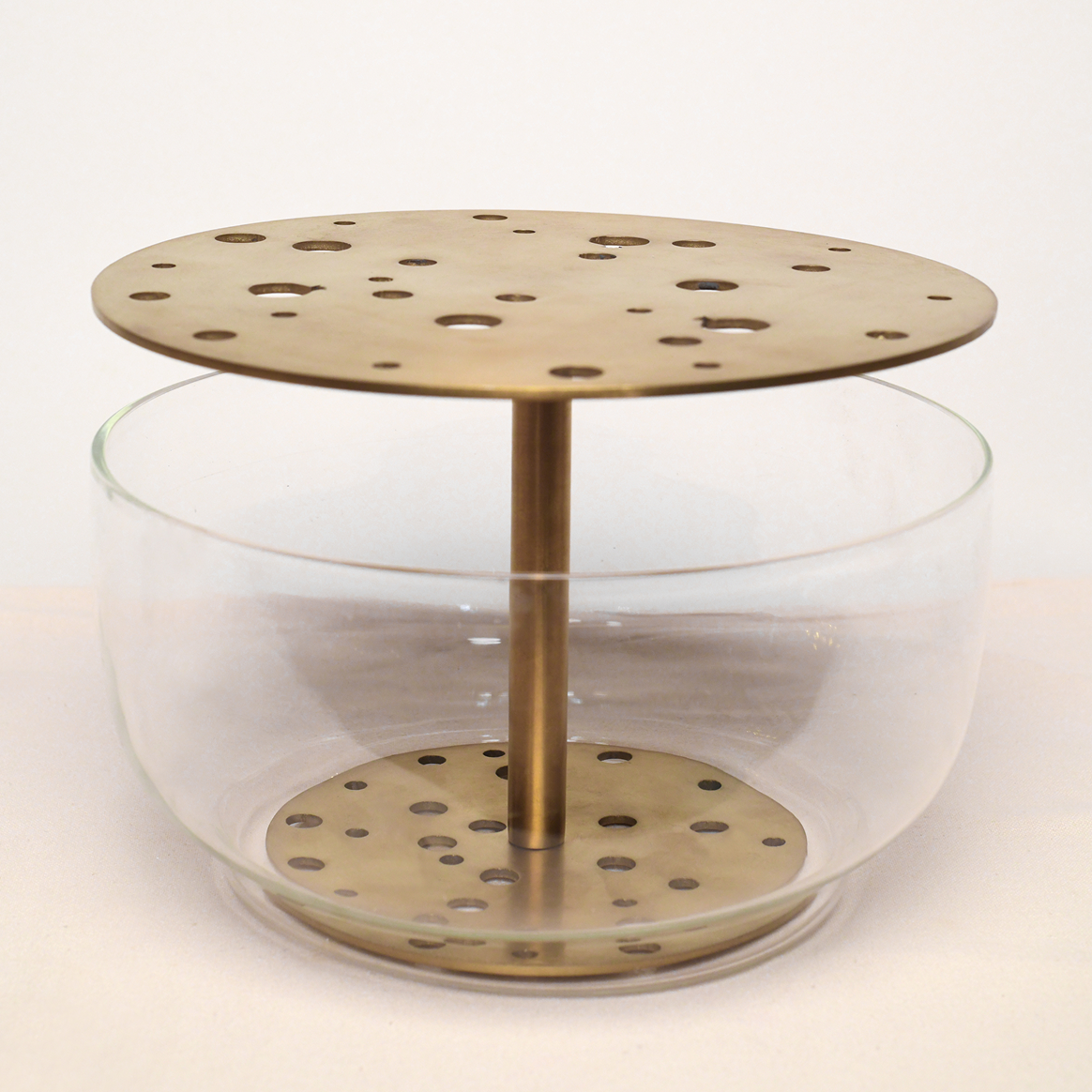
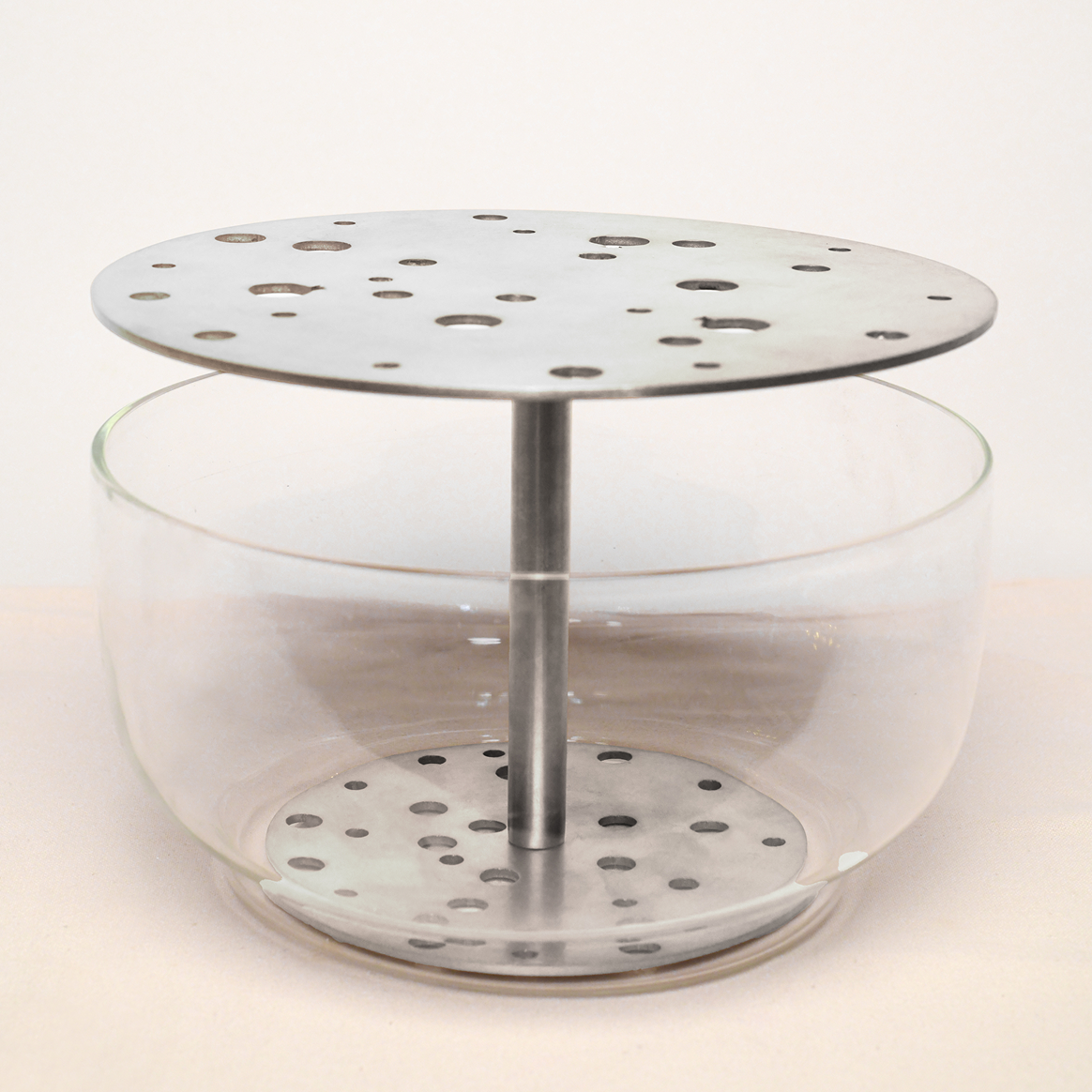
A good specification includes dimensions, tolerances, wall thickness, target weight, finish and details such as engraving. It becomes the single document everyone works from. Our post on how drawings become products shows this in our own range, and the Serpentine holder and Twin Fish vase show the finished results.
Stage four: pattern, tooling and first sample
We cut patterns, templates or jigs so the form can be repeated accurately, then make a first sample. It might be a rough form to check proportion or a nearly finished piece, depending on the product. See our guide to prototypes and samples.

Unfinished iron candle holder parts on the workshop table: tubes on a round base, and a cup block.

A lamp frame being assembled by hand in the workshop.
Stage five: finish development
Finishes get their own approval. Polished, brushed, burnished and antique surfaces look different on a small test tile than on a curved final form, so we make finish samples on representative shapes. Our custom finishes guide explains the options.
Stage six: revisions and approval
It is normal to change something after holding the first sample: a thicker stem, a wider base, a softer curve. We record each change, make an updated sample if needed and ask for written approval before production.
Stage seven: production and quality checks
Pieces are made in batches, checked during production and inspected at the end against the approved sample. Our quality control guide explains what is checked and why.
Stage eight: packing and delivery
Products are cleaned, protected and packed, then shipped to your US address. If you need retail-ready packaging, tell us at the brief stage.
Designing for production
A design that looks perfect on screen can be difficult or expensive to make. A few habits help:
-
Keep wall thickness consistent. Sudden changes cause stress and finishing problems.
-
Avoid thin, unsupported projections that bend in use or shipping.
-
Radius sharp internal corners. They are hard to polish and collect grime.
-
Place welds where they can be dressed and hidden, not on a prominent flat face.
-
Design for real use: candle fit, water weight and how the piece balances when full.
A workshop that has made thousands of metal objects can usually spot a problem in a drawing within minutes, and fix it before it costs you a sample.
Common mistakes
Skipping the finish sample, because color is the hardest thing to judge on screen. Approving a prototype without testing function. Changing the design after production has started. Leaving packaging until the end, when it can change size, weight and cost. Avoid all four and your project will be faster and less costly.
A realistic timeline
At Byaas, a first sample takes about 4 to 6 weeks, and production takes about 6 to 8 weeks once you approve it. The brief and feasibility review move quickly. Drawings and the first sample take longer. Finish approval and revisions can add rounds. Packing and shipping follow production. Work backward from your launch date and build in a buffer.
Frequently Asked Questions
How long does custom development take?
A first sample takes about 4 to 6 weeks, and production takes about 6 to 8 weeks once you approve it. Complexity, finish and the number of revisions can add time.
Do I need a technical drawing to start?
No. A sketch, photograph or reference piece is enough. We can develop the drawing.
Can you suggest improvements?
Yes. We often suggest small changes that make a piece stronger, easier to make or more beautiful without changing its character.
Who owns the design?
Designs you bring remain yours. Ownership of designs developed together should be agreed in writing before work begins.
How do I begin?
Send a brief through the contact page, or read our overview of custom brass manufacturing.
Pieces mentioned in this article


About the author
Bhavini Khullar is the founder and creative director of Byaas and an adjunct professor of Advertising Media Strategies at Montclair State University. She grew up in her family's family workshop and has spent more than a decade studying audiences and how people decide what to buy. Byaas is where those two worlds meet.
Made mindfully, lasts forever
Every Byaas piece is shaped by hand to be lived with, restyled and handed down. Explore the collection.
For retailers, designers and brands: we supply boutiques through our trade program and make custom pieces for brands. Open a trade account or start a custom project.
Explore related Byaas pieces: custom manufacturing · wholesale home décor.

Ecrit par Bhavini Khullar