
How to Brief a Brass Manufacturer: Drawings, Dimensions and Finish Specifications
By Bhavini Khullar | Founder, Byaas | Adjunct Professor, Montclair State University
Short answer: A good manufacturing brief covers the product and its purpose, drawings or references, dimensions and tolerances, metal, finish, quantity, budget, timeline and packaging. A sketch with measurements is enough to start.
A taper candle holder with a cup one millimeter too narrow is not a candle holder. It is five hundred beautifully finished objects that nobody can use. I have seen briefs that described the mood perfectly and forgot the one dimension that mattered.
The opposite happens too: a brief full of measurements with no sense of what the piece is for or who will live with it. The best briefs do both. They give the manufacturer every number they need, and they explain the character the product should have. Here is how to write one, whether you are briefing us or anyone else.
Describe the product, its purpose and its character
Start with what it is and how it will be used. A candle holder for a family dining table has different needs from one for a hotel lobby. Say who will buy it, where it will be sold and what it should be like to own. "Quietly luxurious, something you would restyle every season rather than replace" is genuinely useful information for a maker.
Reference points help. If your direction is a modern Art Deco look, for instance, mention it: Pinterest's 2026 forecast called this "Neo Deco," pairing geometric forms with brass and chrome (Pinterest Predicts, via Apartment Therapy). A named style gives a maker a shared vocabulary instantly.
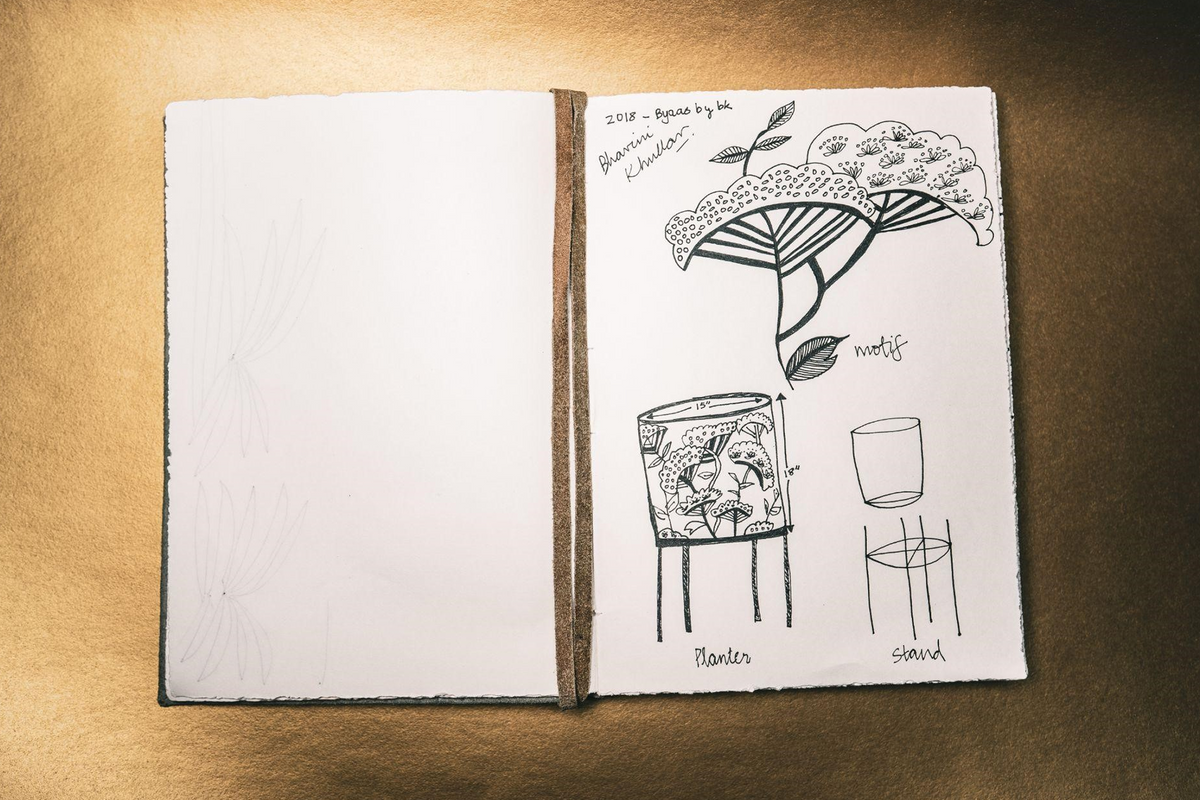
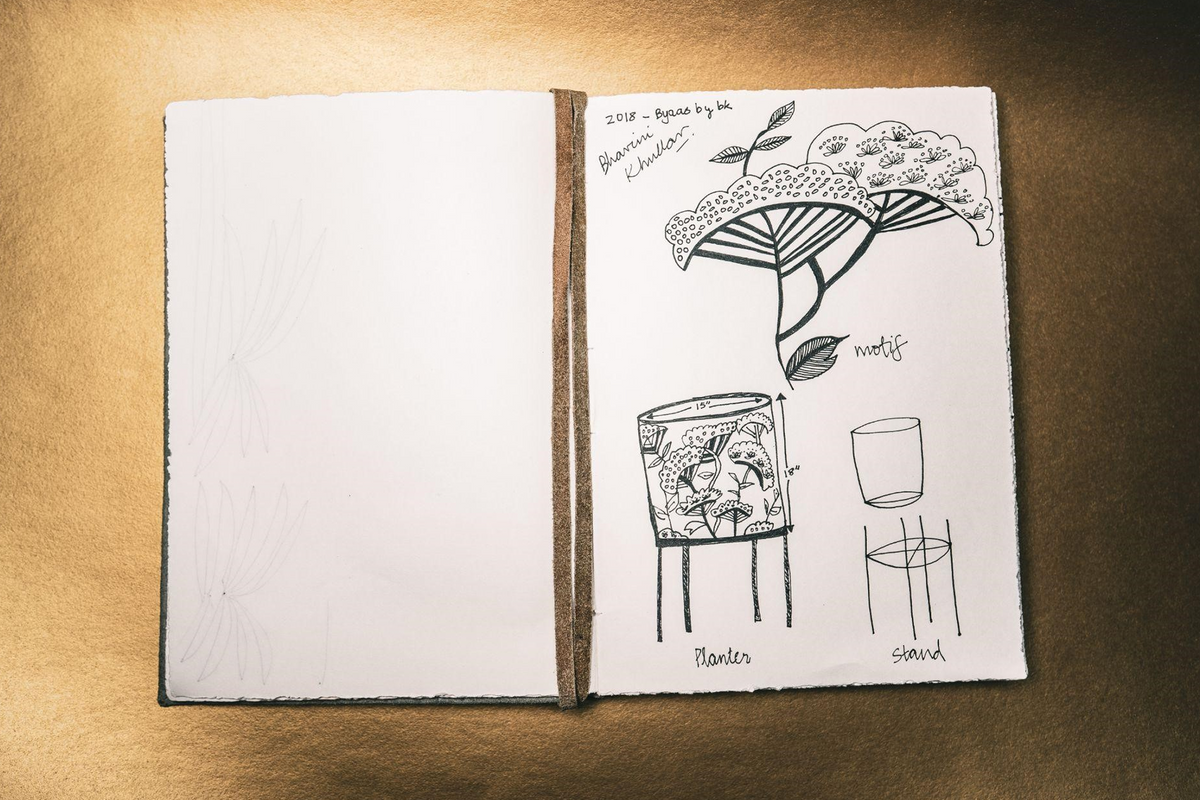
Include drawings and references
A technical drawing is ideal, but a hand sketch, a photograph of a similar piece or a mood board all help. Mark what you like and what should change. If you are working from an existing sample, send measurements as well as photographs.
Give dimensions, tolerances and weight
List height, width, depth, diameter, wall thickness if it matters, and target weight, with units. Flag the critical dimensions. For a taper holder, the cup must suit a standard US taper of about 7/8 inch (22 mm) at the base. That number needs a tight tolerance. Overall height can be more forgiving.
Choose the metal
Say whether you want brass, stainless steel or iron, and why. If you are unsure, say what the piece must do: resist moisture, hold a particular finish, stay light, feel warm. See our guide to choosing between brass, stainless steel and iron.
Specify the finish
Name the finish and attach a physical sample or a daylight photograph. Polished, brushed, burnished, antique, matte black, matte white and chrome are all different processes. Say whether the brass should be lacquered. Our brass finish guide, custom finishes guide and lacquered vs unlacquered post help you name what you want.
Add quantities, budget and timeline
Give the first order quantity and expected annual volume, a target price per piece and your delivery date. Real numbers allow honest advice. At Byaas the minimum order is $250, a first sample takes about 4 to 6 weeks and production about 6 to 8 weeks. Our post on minimum order quantities explains why quantity changes cost.
Mention packaging and branding
Individual boxes, inserts, labels, barcodes, a logo engraved or stamped into the base: say so up front. See custom engraving and branding on brass.
Mention compliance and use
If the product will touch food, drink or skin, tell the manufacturer. Some brass alloys contain small amounts of lead, so contact items may need specific alloys and testing. Decorative items usually have lighter requirements, but check the rules where you sell, including California's Proposition 65 labeling rules.
A short example brief
"A pair of brass taper candle holders for a boutique dining collection. Height about 8 inches, base about 3 inches wide, cup sized for standard 7/8 inch tapers. Solid brass, burnished finish, lacquered. Should feel heirloom, warm and calm, designed to be restyled with seasonal candle colors. First order 300 pairs, target landed cost to be discussed. Retail-ready packaging with a printed sleeve. Delivery by September."
A few lines, and the manufacturer knows almost everything they need, including who the piece is really for.
What a good manufacturer will ask you
Expect questions about use, expected sales, reorders and final retail price. They are not obstacles. They are how a maker balances cost, quality and timing. Answer honestly, and say when you do not know yet.
Common brief mistakes
-
Leaving things out and assuming the maker will guess right
-
Sending a photo of someone else's product with no measurements
-
Using a finish name the supplier understands differently
-
Forgetting packaging until the end
Terms you will hear
Tolerance: how much a dimension may vary. Gauge or wall thickness: how thick the metal is. MOQ: minimum order quantity. Lacquer: a clear protective coat. Burnished: a deeper, mellow brass tone. Repoussé: hammering a design from the back of the sheet. Powder coat: a baked-on colored finish, usually on iron. TIG weld: a precise welding method used for clean seams on metal parts.
Send it
Send your brief through the contact page and read what happens next in our product development guide. For examples of what we make, see the Nastro Wave iron holder and the Oblique stainless steel vase.
Frequently Asked Questions
What should a manufacturing brief include?
Product description and purpose, drawings or references, dimensions and tolerances, metal, finish, quantity, budget, timeline, packaging and any compliance needs.
Do I need a CAD file?
No. A sketch with measurements is enough to start.
How do I describe a finish accurately?
Name it and attach a physical sample or daylight photograph. Words like "gold" or "antique" mean different things to different people.
Should I share my target price?
Yes. It lets the manufacturer suggest materials and methods that fit.
Can Byaas help if my brief is incomplete?
Yes. Send what you have and we will ask the right questions.
Pieces mentioned in this article
 Nastro Wave Iron Single Taper Candle Holder, Matte Black
 Oblique Stainless Steel Vase with Angled Opening
About the author
Bhavini Khullar is the founder and creative director of Byaas and an adjunct professor of Advertising Media Strategies at Montclair State University. She grew up in her family's metal workshop and has spent more than a decade studying audiences and how people decide what to buy. Byaas is where those two worlds meet.
Made mindfully, lasts forever
Every Byaas piece is shaped by hand to be lived with, restyled and handed down. Explore the collection.
For retailers, designers and brands: we supply boutiques through our trade program and make custom pieces for brands. Open a trade account or start a custom project.

Written by Bhavini Khullar